In a context of increasingly stringent environmental regulations and intensifying economic pressures, the supply chain can no longer afford to rely on approximations. Data has become a strategic asset, as valuable as the product itself. Yet, many companies still struggle to ensure the reliability of their information, thus hindering their ability to optimize logistics costs, comply with standards, or even capitalize on clear competitive advantages.
The first step is to digitize the supply chain and unify data sources. Too often, information is scattered across different systems (ERP, logistics management software, sourcing platforms) , creating duplication and inconsistencies. By centralizing these information flows, the company gains not only in reliability but also in processing speed. Data becomes usable in real time, which radically changes how operational performance is managed and market needs are anticipated.
But centralization is not enough: it is also necessary to ensure the quality of the information.
Implementing automated data collection and verification systems is essential. Consistency checks, alerts for anomalies, cross-validation between multiple sources—these mechanisms help prevent errors and ensure data security. Without this work, some organizations miss out on concrete opportunities: for example, companies forgo applying for eco-modulation measures because they lack the necessary reliable data. This missed opportunity clearly illustrates economic value of data reliability and the need to invest inauditabilityprocess the.
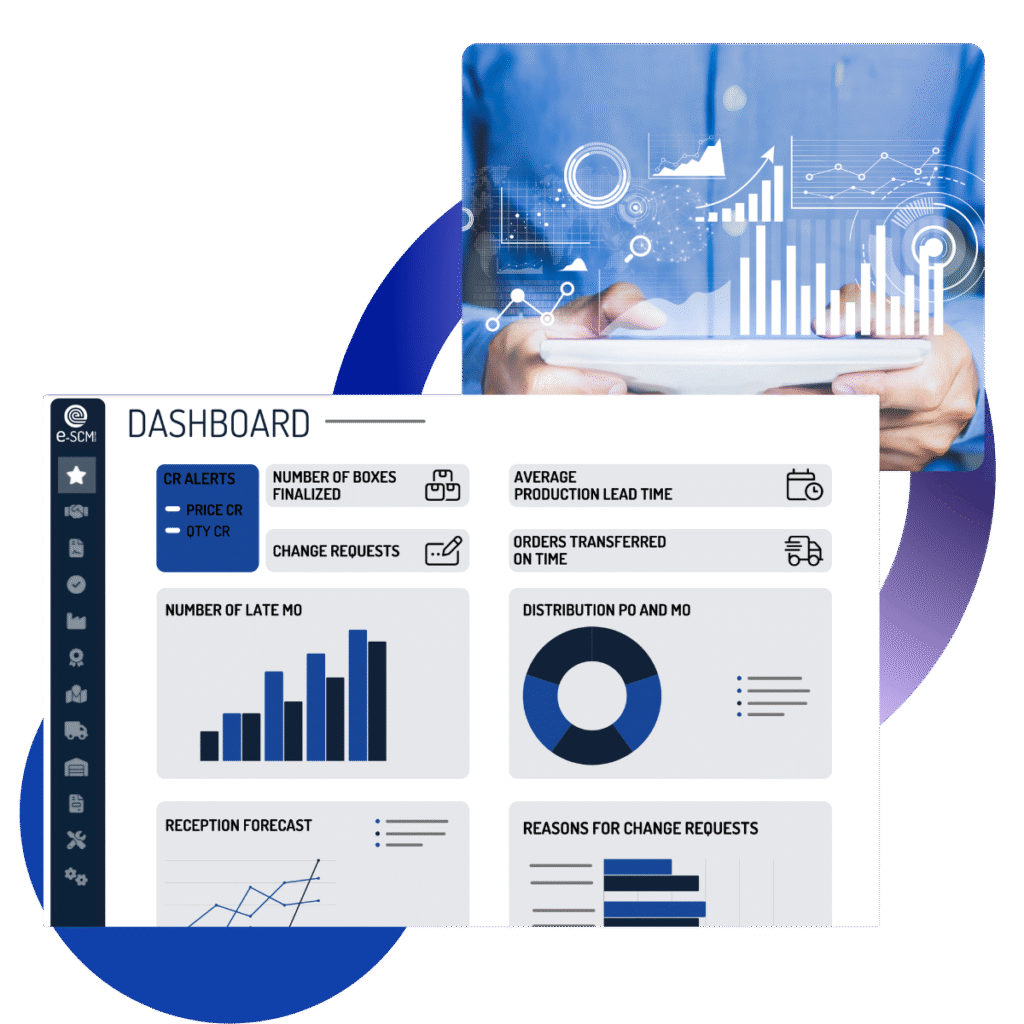
Beyond regulatory compliance, data opens the door to new economic opportunities. Traceability, long perceived as an administrative burden, is becoming a powerful tool for productivity and logistical optimization. By providing complete visibility into flows, it facilitates cost management, improves inventory control, and enables more precise cash flow management.
The example of Chantelle is telling: thanks to a perfectly controlled supply chain and enhanced traceability, the company manages to smooth its cash outflows and secure its growth in a highly competitive sector.
To successfully achieve this transformation, a few key elements are essential. First, data must be placed at the heart of the business strategy, integrated from the very beginning of project design. Data collection and verification must be seamlessly integrated into daily processes and not treated as an additional burden. Concrete indicators also play a crucial role in convincing decision-makers: reliability of accounting data, reduced billing error rates, and improved regulatory compliance times.
Read our article on KPIs & performance evaluation
Ultimately, success depends on collective effort involving not only senior management, but also suppliers, technology partners, and external experts. It is this broad collaboration that guarantees a coherent, sustainable, and resilient value chain.
Ultimately, ensuring data reliability is no longer an option but a condition for survival in a globalized market. Companies that can base their strategy on accurate, auditable, and shared information gain a significant advantage: they become more competitive, reduce their financial risks, and open up new avenues for sustainable growth, all while strengthening transparency and trust with their stakeholders.