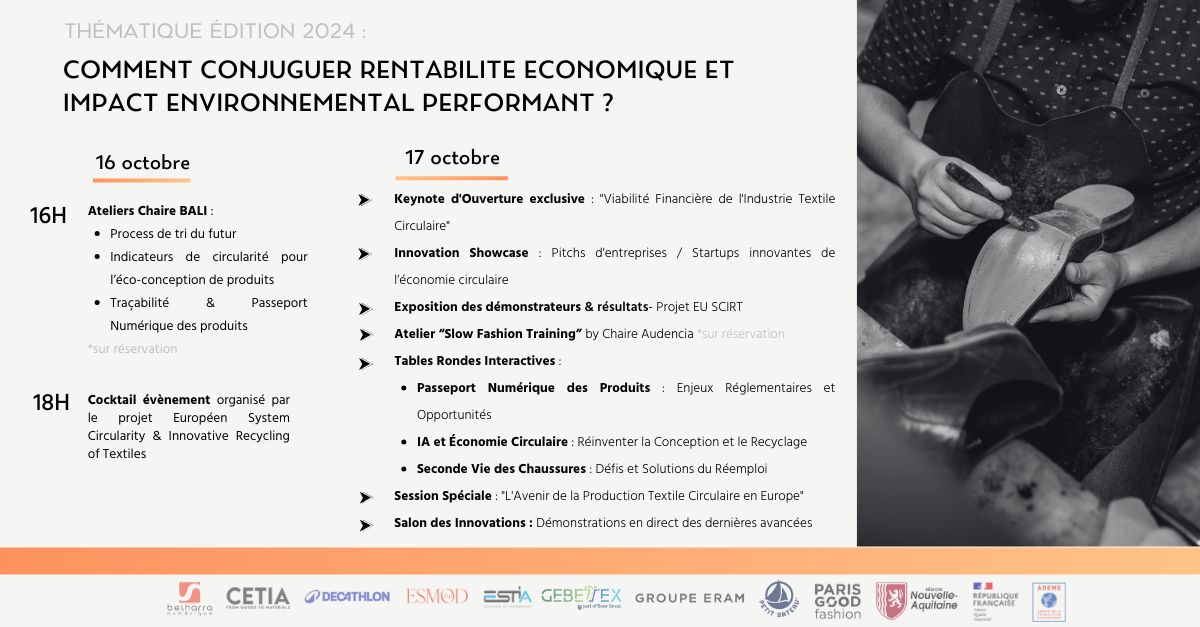
Biarritz Good Fashion has established itself as a key event in the world of sustainable fashion. Organized by the Bali Chair and Paris Good Fashion, this new edition will offer answers to the concrete and impactful of stakeholders in this sector. The overarching issue is how to combine economic profitability with a strong environmental impact.
Register for Biarritz Good Fashion 👉
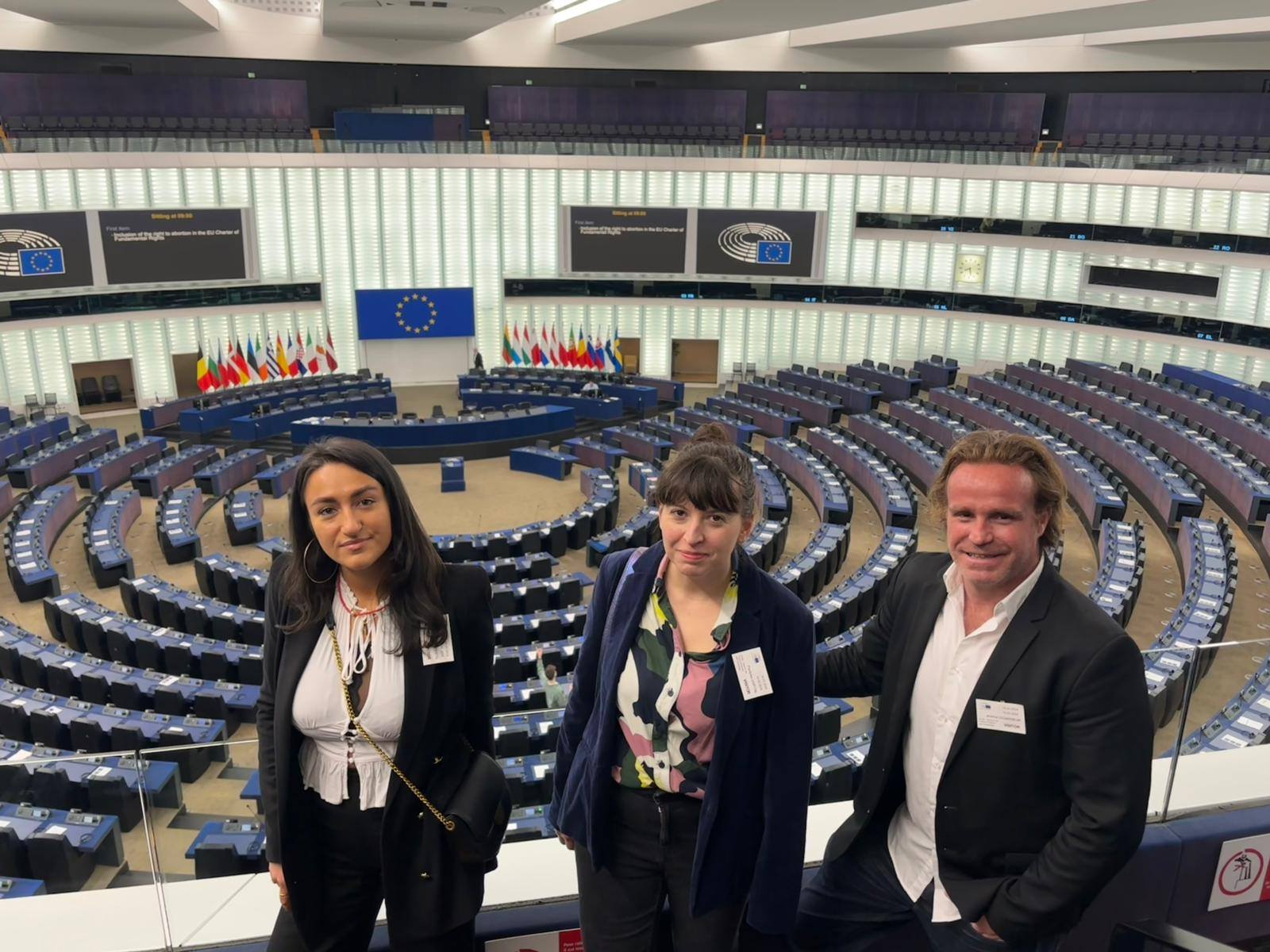
Meet our "traceability" specialists during these two days, Pantxika Ospital and Patrick Bourg, they will welcome you:
On October 16th and 17th, Biarritz Good Fashion will offer workshops, conferences, and other opportunities for discussion and sharing around common issues. On October 16th, will take place exclusive workshops led by experts from the BALI Chair working groups The second day, 17th , will feature conferences, roundtables, and discussions on sustainable fashion. Discover the detailed program!
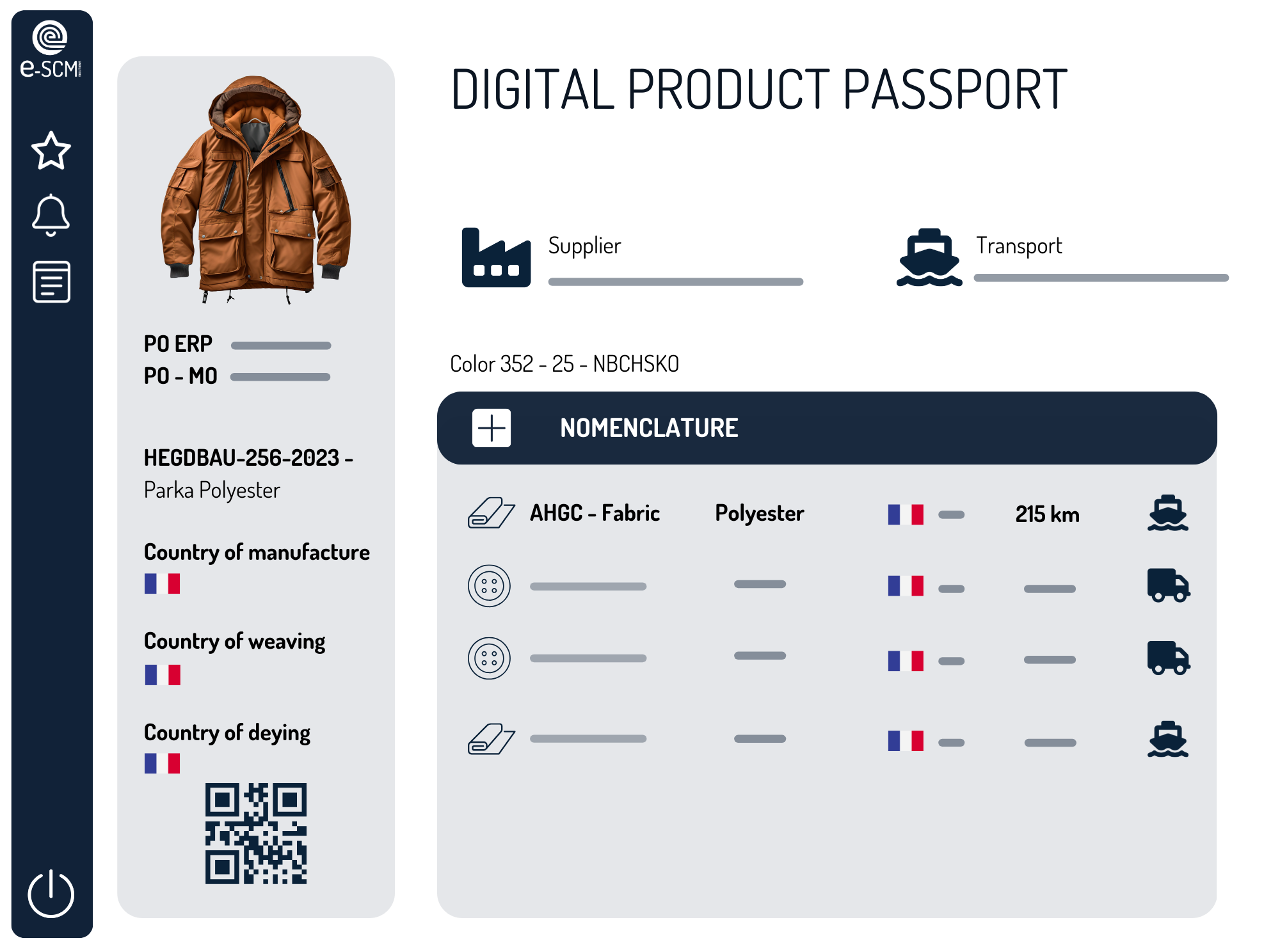
Join e-SCM Solutions at Biarritz Good Fashion on October 17th! We'll be discussing the regulatory challenges and opportunities of the Digital Product Passport with our traceability consultant, Pantxika Ospital. As a member of the BALI Chair, we've been working within the ecosystem to advance the fashion and luxury industry's research in this area since its inception in 2017.
“In this new phase of work with the Bali Chair,we aim to extend traceability to all products, in order to generalize the collection and use of information about them. This implies identifying all actors in the lifecycle, beyond just supply chain data. Brands own the data and have the opportunity to leverage it to control their value chain and guide their CSR strategy (eco-modulation, DPEF, CSRD) with a view to reducing the administrative burden. These initial use cases willbeshared with the Chair's stakeholders during working group meetings. We willonfocusthe different constraints depending on the type of company and its sourcing (finished products, sourcing and contract manufacturing). The operational impact of generating electronic labels and their physical link to products must be considered. Generating QR codes, URLs, or unique identifiers for products involves taking into account various tools. Technological monitoring will be shared to identify appropriate tools for implementing the Digital Product Passport and sharing industry progress.
The participation of e-SCM Solutions – Belharra SAS in Biarritz Good Fashion 2024 underscores our fashionresponsiblewhile maintaining economic viability. Indeed, the e-SCM collaborative platform can address these challenges by digitizing the entire supply chain, providing increased visibility and traceability at every stage of the process. By centralizing data, e-SCM facilitates informed decision-making that optimizes efficiency and productivity.
So,join us for this enriching edition and be part of the change for the fashion industry.

The BALI Chair is a teaching and research program bringing together actors in the fashion and textile industry who wish to collaborate with the ESTIA engineering school on the environmental, societal and economic transition of the industry.
On a new three-year cycle, BALI 3 opens with a shared vision: to implement the industrial scalability of circularity. To achieve this, it is crucial to develop and massively expand circular offerings and business models in the textile sector at an industrial scale in order to increase its resilience. This also involves promoting frugality and resource efficiency by examining traceability, sustainability, the expansion of product and service uses, and prioritizing repair, on-demand manufacturing, and short supply chains that benefit local communities.