How can digital technology address the challenges of product traceability and environmental impact reduction? A recap of the roundtable discussion held on January 16, 2025
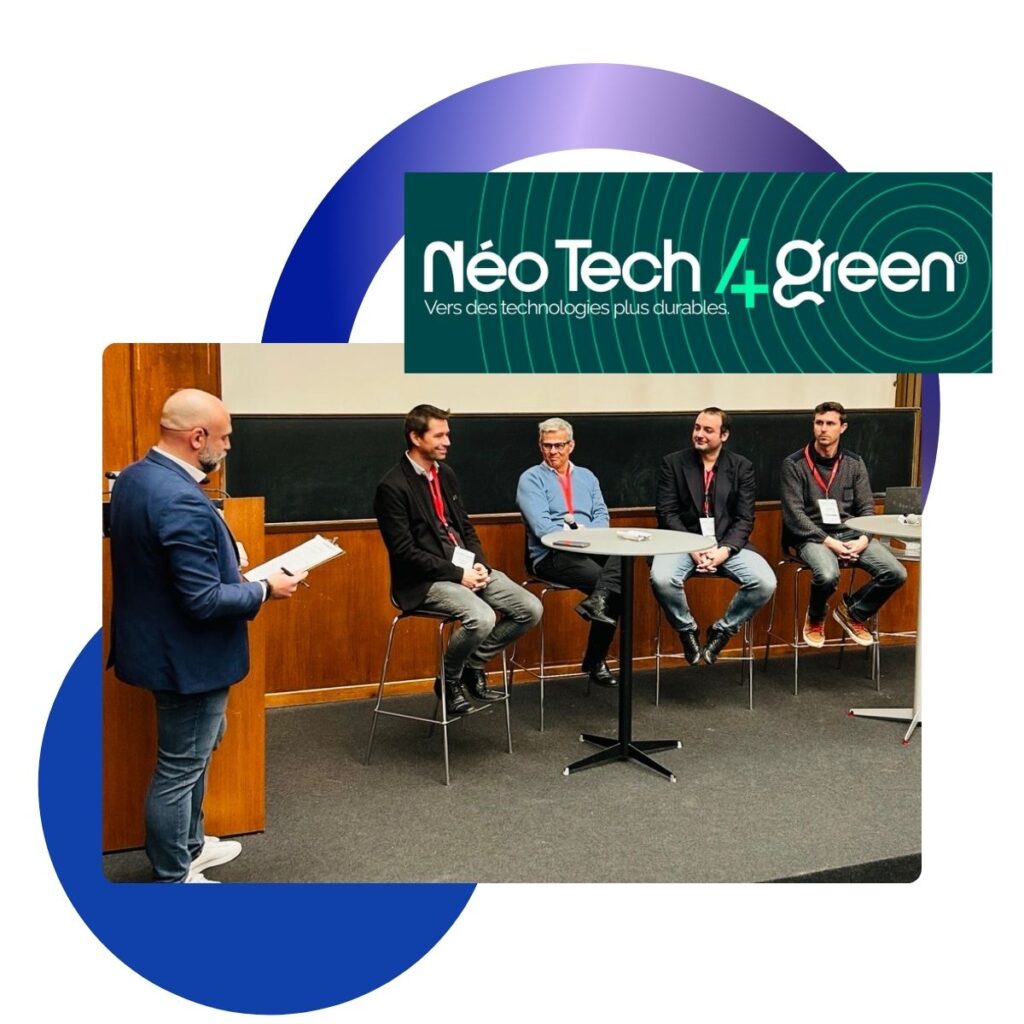
As part of the 3rdedition of the Neo Tech 4green event, held on January 16, 2025, a roundtable discussion was dedicated to the impact of digital technology on traceability and the reduction of environmental effects. It brought together four experts:
Among them, Patrick Bourgshared his vision and experience. Here are the key points of his presentation, moderated by Marc Bagur, which highlight the importance of digital tools in the sustainable transformation of industry.
Article summary:
Who are you ?
Supply Chain Mapping & Traceability
Streamlining textile production
Decision support tools and traceability
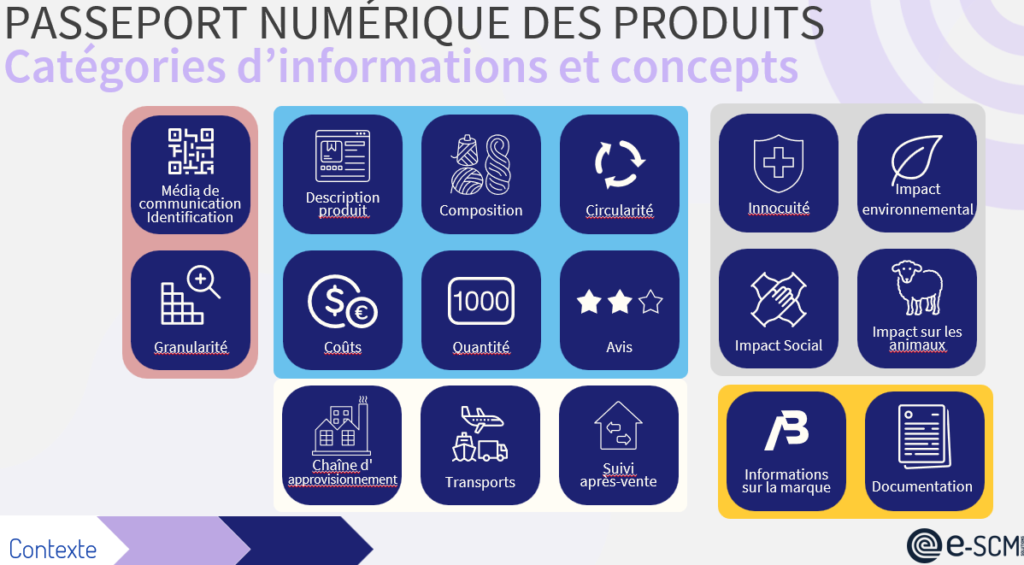
Digital Product Passport & Traceability
Best practices and lessons learned
About Neo Tech 4green
“I am Patrick BOURG, Director of Operations and founding partner of e-SCM Solutions. We publish a software solution dedicated to the Fashion & Luxury industry. The challenge is the management and traceability of outsourced supplies and production, from the ordering of raw materials to the delivery of finished products to the warehouse.”
How are the challenges of traceability embodied?
"The e-SCM solution allows Fashion and Luxury brands to optimize the management of their supply chain. It enables them to track and manage compliance, quality and delivery times in the warehouse in order to secure the market launch schedule.".
Furthermore, the collection of end-to-end operational data makes it possible to audit regulatory compliance, to track indicators for continuous improvement of operations and to demonstrate transparently to consumers the respect for eco-responsible commitments made.
The solution allows for the presentation of a summary of the supply chain map, highlighting the choices made in accordance with:
– the AGEC law (display of quantities and environmental characteristics of products)
– ESG reporting : data on suppliers, carbon footprint of transport.
– certification and labeling documents, particularly those related to the customs file
– the requirement for consumer transparency (QR Code and Digital Product Passport)
Have you taken any actions to reduce the impact of your products?
All our clients' teams, through e-SCM, have the necessary information to interact with suppliers, adjust production quantities according to actual business needs, better control quality at each stage of the Supply Chain, optimize container filling and anticipate transport bookings for shipments.
The solution helps companies produce as efficiently as possible to avoid waste, streamline material consumption, improve team productivity and reduce the carbon impact of transportation.
How have digital tools revolutionized product traceability or helped to reduce impact?
Digital tools facilitate the collection, sharing, and processing of data for more collaborative coordination of the various actors throughout the Supply Chain.
Centralized data management makes it possible to harmonize processes between all suppliers and facilitates unit tracking of all productions at all stages of the Supply Chain.
Mastering data enables the provision of decision-making tools for greater responsiveness. Reacting quickly and making sound decisions helps avoid operational errors that are costly in terms of operating margin and, ultimately, carbon footprint.
Without the right tools, manipulating all this information is virtually impossible!
How have you integrated sustainable development thinking into your work? What benefits have you observed?
From its inception, we have been involved in the BALI Chair, led by ESTIA. The Chair brings together various stakeholders in the fashion industry to reflect on the necessary directions for a more sustainable fashion industry and on technological solutions that combine economic, environmental, and social benefits.
With this in mind, we also funded a doctoral thesis that led to the development of a Digital Product Passport model adapted to textile and footwear production. This long-term approach allowed us to prepare well in advance for the arrival of new French and European regulations, such as the AGEC law.
By anticipating tomorrow's challenges and changing our approach, we have, in effect, prepared ourselves to comply with new and future regulatory requirements.
Do you have any best practices, feedback, or solutions related to product traceability and eco-design that you would like to share?
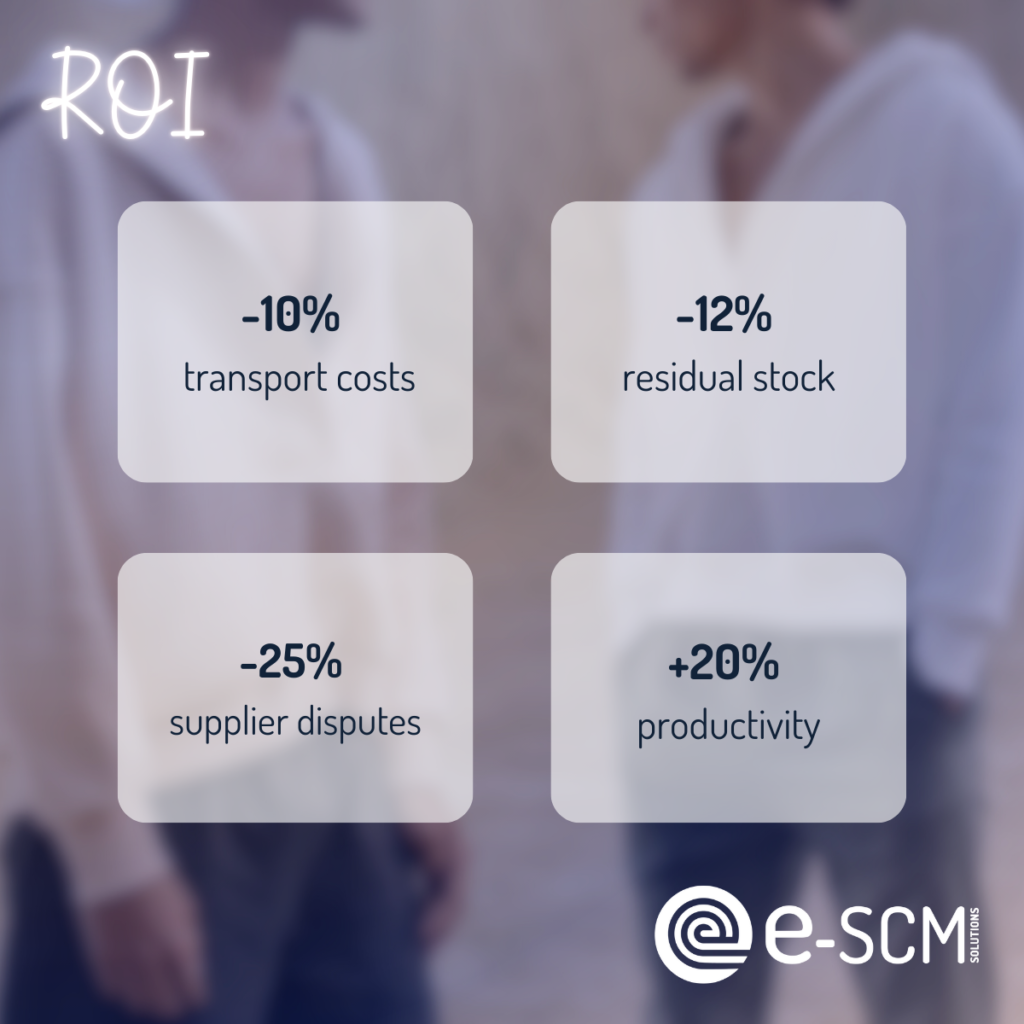
To give you an example, we have measured an average 25% reduction in non-conforming deliveries among our clients using the e-SCM solution (operational and product traceability). As a reminder, a non-conforming product received in the warehouse has been produced and transported for nothing, since it cannot be sold!
Another interesting indicator is the reduction in transport costs of 10 to 20% or in inventory costs upon receipt in the warehouse of 30 to 50%.
This type of finding allows us to affirm that an operational traceability tool improves both the economic performance of the company and helps to reduce its environmental impact.
This event, co-organized by Digital Aquitaine, Aquitaine Robotics, the Arts & Métiers campus and CATIE, is establishing itself as a true catalyst for innovation and collaboration.
With the support of partners such as ADI Nouvelle-Aquitaine, Aerospace Valley and Soltena, this day aims to inspire and guide industrial and ecological transitions.