Optimize your supply chain and increase productivity with a collaborative platform

How can we improve supply chain management while strengthening supplier collaboration?

Introduction

In the fashion and luxury sectors, control of supply chains is a key factor in competitiveness. A luxury fashion sourcing platform digitizes exchanges between brands and suppliers, centralizes data, and improves production visibility.

Organizations still face fragmented processes, often based on poorly integrated tools like Excel or email. The result: lack of traceability, loss of information, and longer decision-making times.

This article presents the challenges of the digitalization of supplies and the concrete benefits of a collaborative platform for the supply chain.

Supply chain challenges in fashion and luxury: luxury fashion supply platform

Complexity of flows and lack of centralization

Supply chains in the fashion and luxury sectors involve numerous players: brands, suppliers, freight forwarders, and warehouses. Without a centralized system, coordination becomes difficult and errors multiply.

The main problems observed:

  • lack of a unified view of the commands
  • poor traceability of exchanges
  • multiplication of data versions
  • operational time loss

The challenges of structuring and digitizing the supply chain are also extensively documented in industry benchmark analyses, particularly regarding the transformation of industrial operations: Manufacturing & Supply Chain

Risks and supplier dependence

Raw material shortages or fluctuations in industrial capacity make planning unstable. In this context, structuring the supplier relationship becomes strategic.

This is precisely what an SRM approach enables. Before any transformation, it is recommended to assess your SRM maturity to determine the existing level of digitalization and collaboration.

Provision of a luxury fashion sourcing platform

Centralization and real-time collaboration

A supply platform allows all flows to be brought together in a single environment:

  • synchronized purchase orders
  • historical exchanges
  • real-time tracking
  • collaborative validation of changes


The e-SCM Solutions solution illustrates this approach by connecting brands and suppliers in a unified environment.

Measurable performance gains

The organizations observed record:

  • +20% productivity
  • -12% residual stock


These gains come mainly from the reduction of operational frictions and better synchronization of actors.

Optimizing supply chain operations

Collaborative planning

The platform allows:

  • real-time order modification
  • adjustment of quantities and deadlines
  • joint validation of decisions
  • elimination of unstructured exchanges

SPLIT function and industrial flexibility

The SPLIT function allows you to split a purchase order without losing the original history. It addresses supplier capacity and material availability constraints.
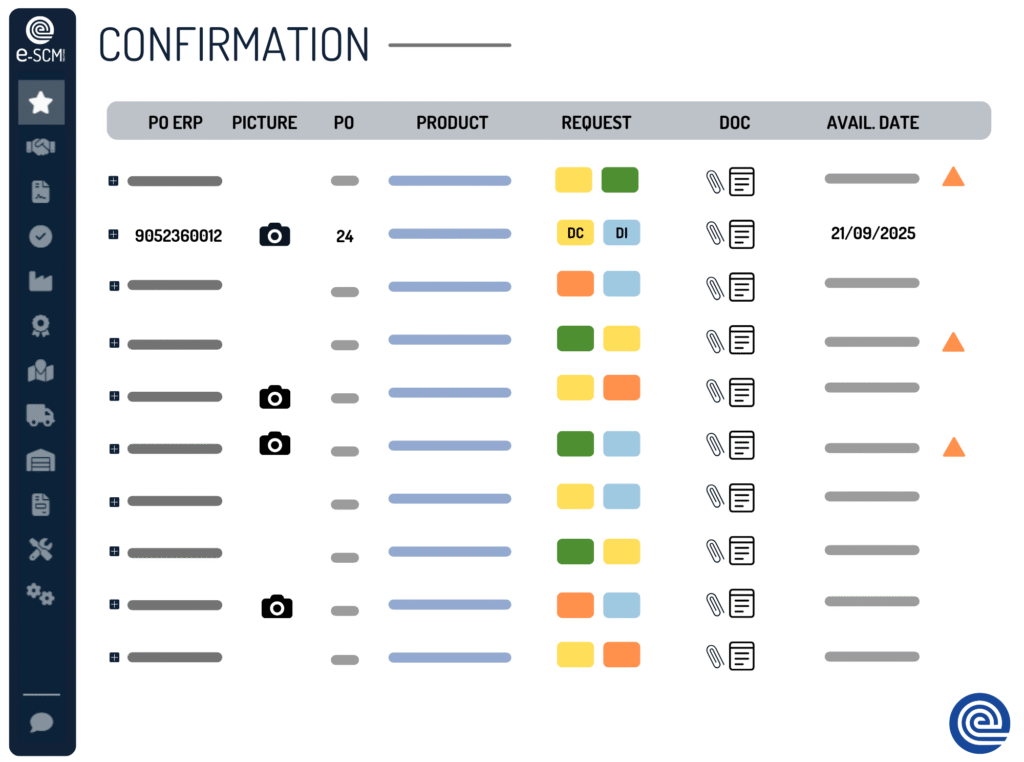
illustration e scm solutions collaborative platform upstream supply chain luxury fashion sourcing platform

Production management and risk reduction

Monitoring of industrial milestones

Production monitoring allows you to:

  • monitor the progress of key stages
  • block non-compliant actions
  • secure the launch of production and shipping


This approach improves the control of industrial risks and overall quality.

Logistics and transport coordination for luxury fashion supply platform

Visibility and anticipation of flows

The platform facilitates:

  • communication with freight forwarders
  • anticipating transport capacities
  • warehouse delivery planning
  • scheduling logistics appointments


Integrating a TMS allows for complete management of the supply chain.
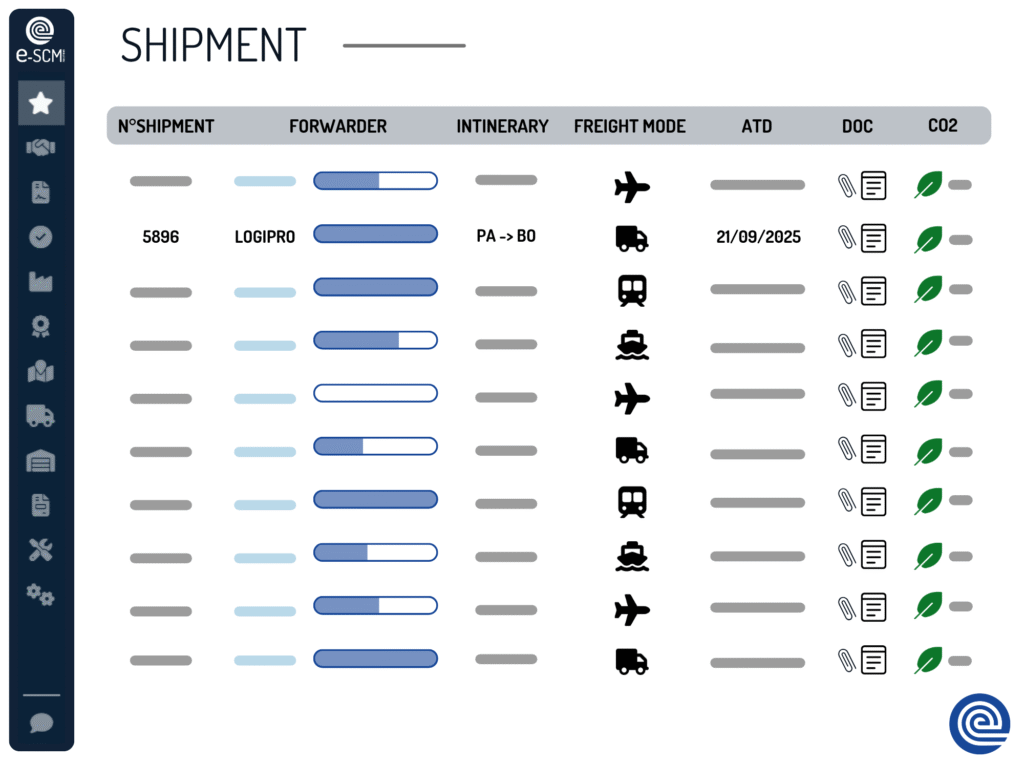
luxury fashion sourcing platform

Conclusion of this article on luxury fashion supply platforms

A dedicated sourcing platform for fashion and luxury goods is a key driver of supply chain transformation. It improves collaboration, secures flows, and enhances overall operational performance.

In an increasingly complex environment, the digitalization of procurement is becoming a sustainable competitive advantage.

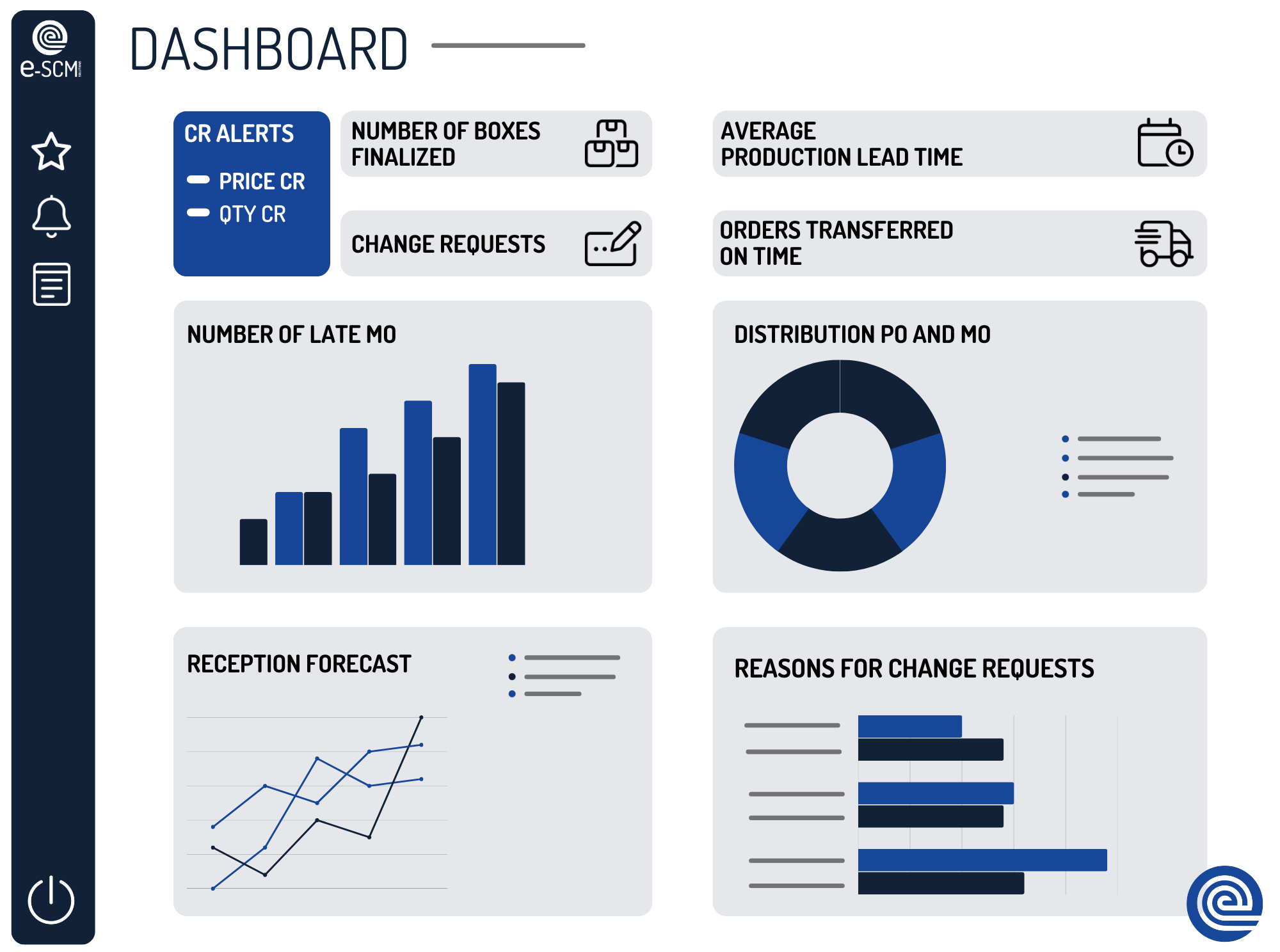
FAQ

1. Is a sourcing platform suitable for a growing fashion brand?

Yes, it allows us to structure the flows and support the increase in volume without loss of operational control.

2. What concrete gains can be expected from the digitalization of the supply chain?

Productivity gains, reduced inventory, and better visibility into supplier flows.

3. What is the difference between Excel and a procurement platform?

Excel is not collaborative or traceable in real time, unlike a dedicated platform.

4. How to reduce supplier-related risks?

By centralizing exchanges, monitoring production and structuring the relationship via an SRM platform.

5. How long does it take to implement an e-SCM solution?

It depends on the scope, but the progressive structuring of processes allows for rapid adoption.

6. How do I know if my organization is ready for this type of tool?

By analyzing its current processes and assessing its SRM maturity.