The role of the supply chain manager is undergoing profound changes by 2026. Faced with frequent disruptions, accelerating technological advancements, and increasing sustainability demands, companies must adapt their models. The supply chain manager is becoming a strategic player, central to overall performance and organizational resilience.
The expectations are now clear: manage complex flows, integrate real-time data, and strengthen collaboration with internal and external partners. Digital transformation and environmental challenges are redefining priorities, particularly around the digitalization of the supply chain, which is emerging as a key structuring driver.
In this context, three key areas underpin best practices: digitalization, collaboration, and sustainability. This article details these levers to help procurement managers improve performance, reduce risks, and increase agility.
Digitalization is fundamentally transforming how procurement managers run their operations. It enables a shift from reactive management to a proactive, data-driven approach.
Tools such as ERP, SCM solutions or control towers make it possible to centralize information and monitor flows continuously.
This visibility makes it possible to better control lead time, by more quickly identifying variations in lead times on the supplier, production or transport side.
This brings several tangible benefits:
Data thus becomes a key lever for securing flows and improving performance.
Automation helps to reduce repetitive tasks and make processes more reliable.
It concerns, in particular:
The result: time savings, reduced errors and better allocation of resources towards high value-added tasks, provided that the project to integrate digital tools into the existing ecosystem is well-defined and successful.
The performance of a supply chain depends heavily on the quality of interactions between stakeholders. The procurement manager plays a central role in structuring these relationships.
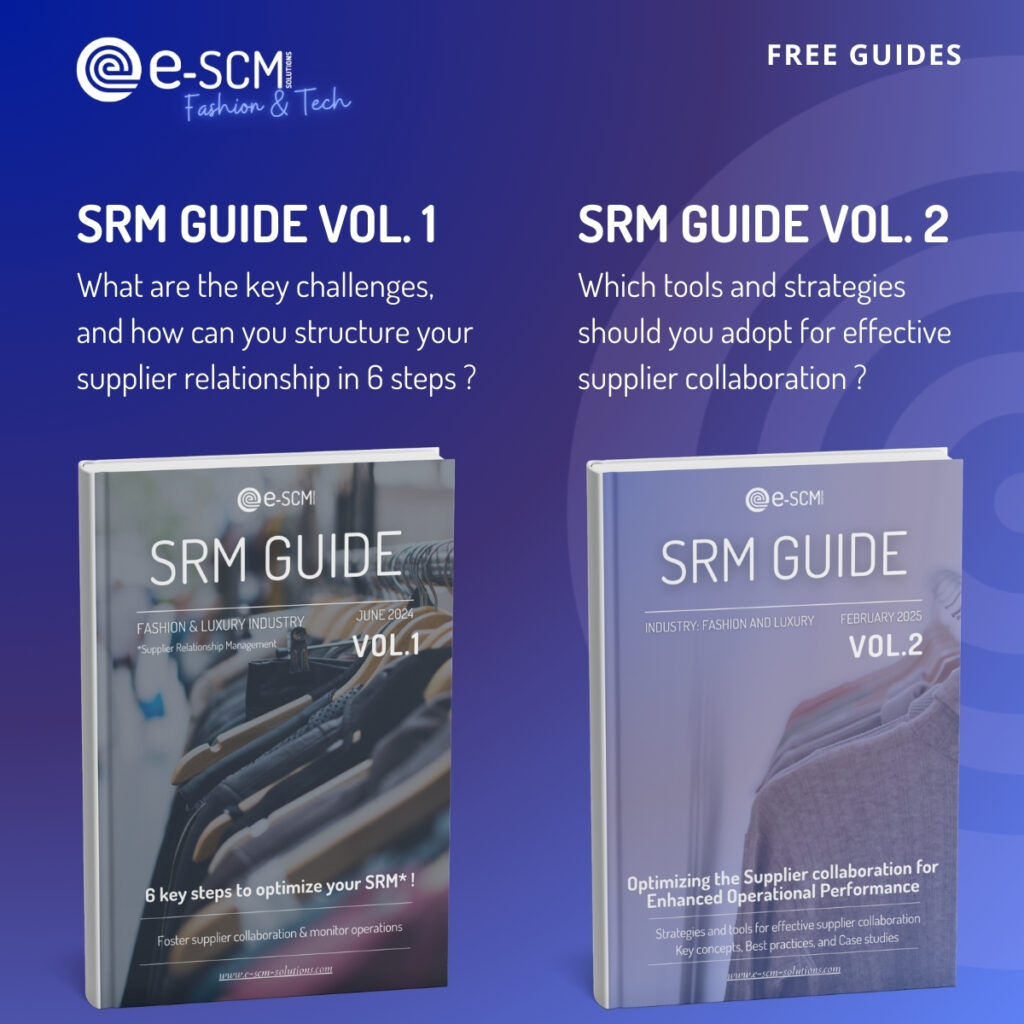
Supplier Relationship Management helps to structure the relationship with suppliers and turn it into a real lever for performance.
This approach aims to:
Digital tools, such as supplier portals, facilitate exchanges and improve coordination.
A high-performing supply chain also relies on seamless collaboration between internal departments.
By removing silos between the supply, production, logistics, quality and CSR teams, companies gain in coherence and responsiveness.
The impacts are direct:

Environmental and social issues now occupy a central place in procurement strategies.
The procurement manager must integrate sustainability criteria into their decisions.
This involves:
Monitoring environmental indicators allows these actions to be managed over time.
Companies today must meet increasingly high expectations for transparency and accountability.
This implies:
The supply chain thus becomes a strategic lever for image and compliance.
In an uncertain environment, adaptability is essential to maintaining performance.
Disruptions can be multiple: geopolitical tensions, variations in demand, or supply problems.
The role of the supply manager is to:
A resilient supply chain must be able to adapt quickly.
This implies:
The procurement manager must combine several areas of expertise to meet current challenges.
Strategically, he must be able to analyze data, anticipate risks and align his decisions with the overall strategy of the company.
From a technological standpoint, mastery of digital tools is essential to effectively manage flows and leverage data.
Finally, interpersonal skills play a key role. The procurement manager must know how to collaborate, negotiate, and unite teams around common goals.

The role of the supply manager is now part of a global transformation of the supply chain.
The three essential pillars are:
These levers make it possible to build a more efficient, more agile and more resilient supply chain.
The supply chain manager occupies a strategic position in modern organizations. By integrating technology, strengthening collaboration, and incorporating sustainability issues, they contribute directly to the overall performance of the company.
In a constantly evolving environment, these skills become essential to remain competitive and anticipate future transformations.