Summary
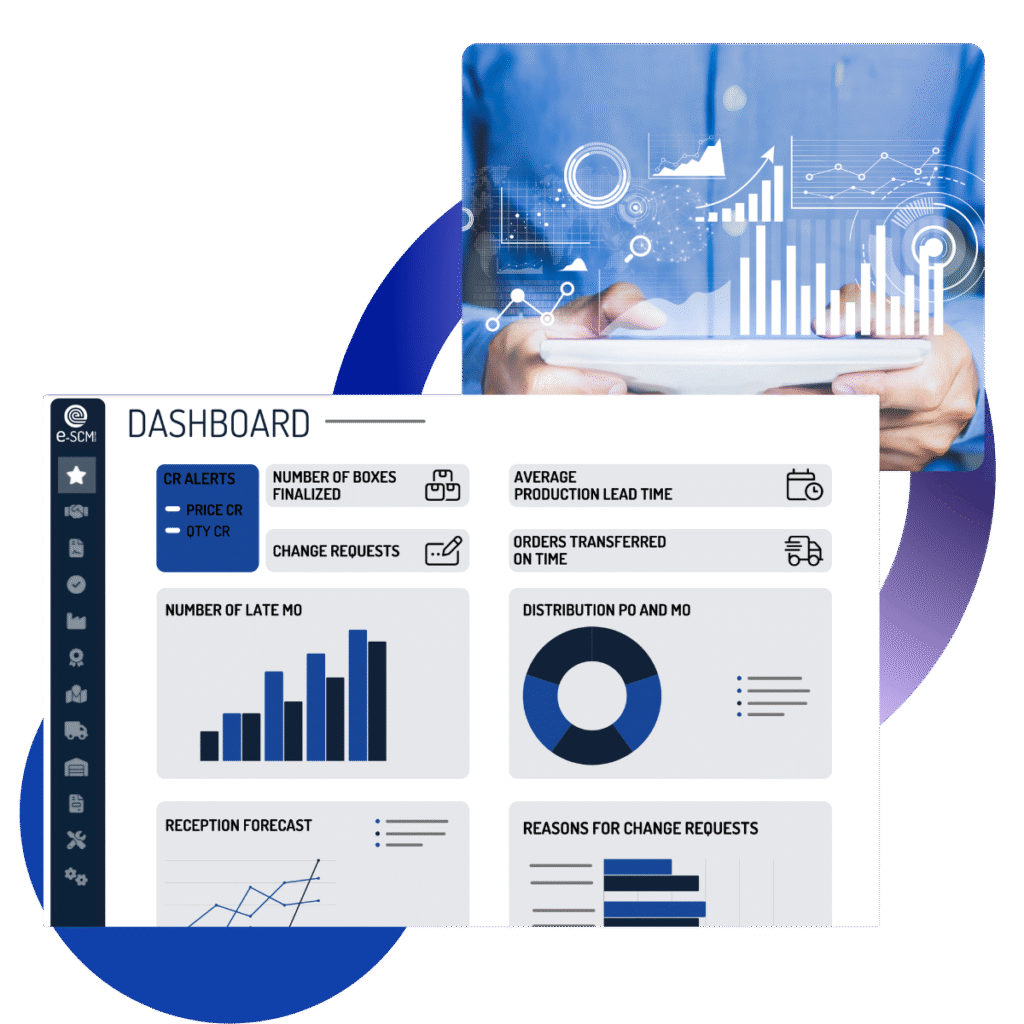
Digitalization and AI in the supply chain , along with the integration of Artificial Intelligence (AI), have become essential levers for companies in the textile and fashion sector. Faced with increasing regulatory requirements (AGEC law, environmental labeling, digital product passport) and economic and environmental pressures, this article explores how traceability, data management, and AI can transform the upstream supply chain into a strategic and predictive tool.
The fashion industry is undergoing a period of intense transformation. Brands must reconcile economic performance with environmental responsibility, while complying with strict and evolving regulations. The main challenges they face are:
As Anne Vallier, a consultant specializing in product value chain transformation, points out, these challenges require a profound transformation and digitalization of the upstream supply chain to remain competitive.

Each speaker shared insights on the importance of reliable data, traceability and AI to transform the Supply Chain into a strategic tool.
Traceability is no longer solely a regulatory or CSR issue. It enables:
Here is a concrete example with the Chantelle Group:
By digitizing its upstream Supply Chain via a collaborative platform, the group has made supplier receipts more reliable, reduced delays by 30% and optimized cash flow.
Impact on teams:
One of the main challenges is collecting accurate and reliable data. Companies must implement robust systems to ensure data integrity throughout the supply chain.
The transition to a data-driven culture requires a change in mindset within companies. Teams need to be trained and made aware of the importance of data collection and use.
Digitalization requires significant investment in appropriate technologies. Companies must assess their needs and choose solutions that integrate effectively into their existing processes.
Digitizing the upstream supply chain enables:
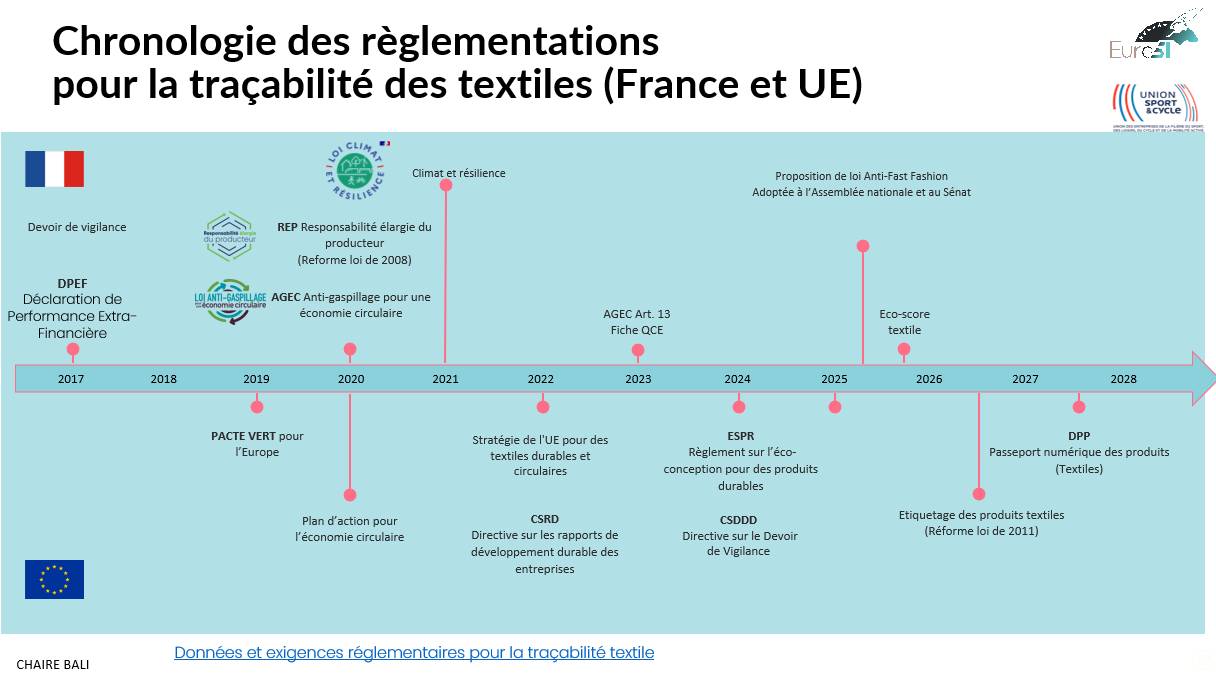
French and European regulations require increased traceability and precise reporting:
These obligations make data governance a strategic tool to ensure compliance and competitiveness.
Integrating AI into your supply chain allows you to understand the shift from an experimental approach to a structured operational one.
Unlike generative AI, predictive AI enables:
Here's a concrete example: The upstream supply chain management platform, e-SCM Solutions, offers an Supplier Invoice . It automates the verification of purchase invoices and eliminates manual data entry. This accelerates the detection of discrepancies and facilitates the resolution of supplier disputes. The resulting productivity gains and streamlined payment process generate an immediate ROI.