Responsible supply chain management has become essential for companies in the fashion industry . With increasingly stringent carbon footprint regulations , it is crucial to measure and reduce the environmental impact of each step in the supply chain. This is where the module integrated into e-SCM comes in , automatically calculating Greenhouse Gas (GHG) emissions from freight transport.
The climate emergency is at the forefront of global concerns, and companies in the fashion industry play a key role in reducing greenhouse gas emissions. In France, Article 173 of the Energy Transition for Green Growth Act requires private companies with more than 500 employees to report the carbon emissions generated by their activities. Furthermore, beneficiaries of the France Recovery Plan have been subject to these obligations since the decree of July 1, 2022. To comply with these regulations, it is crucial to have effective tools for assessing and reducing greenhouse gas emissions.
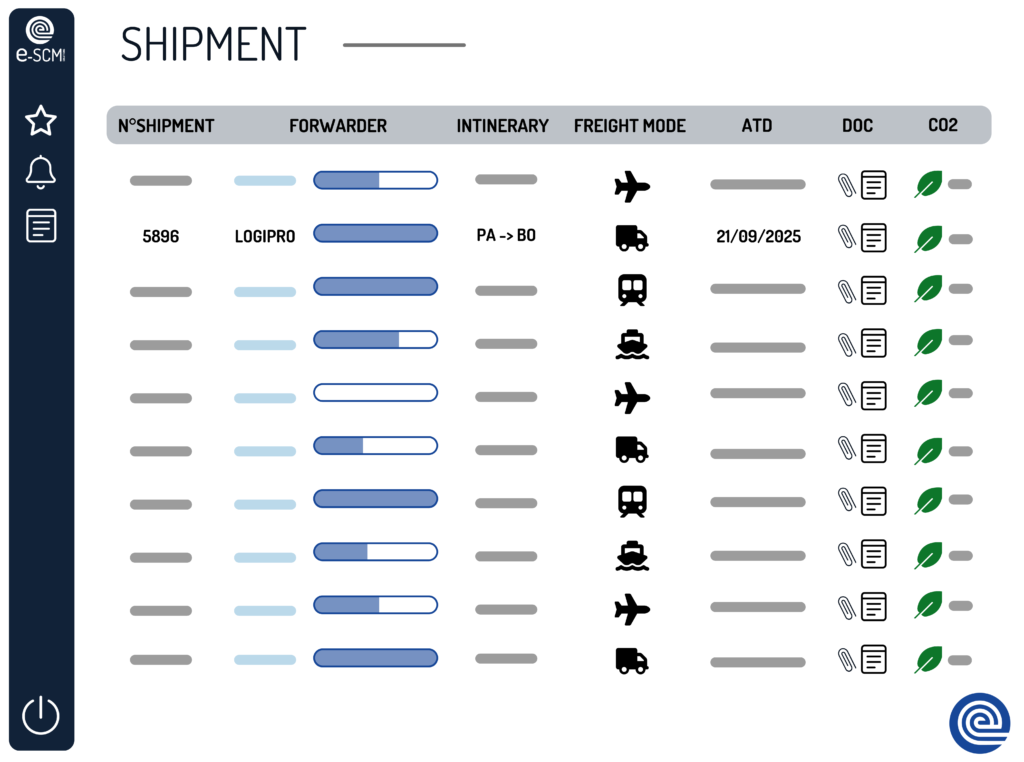
e-SCM's GHG emissions calculation relies on collecting detailed data throughout the supply chain. Freight forwarders and transport providers can enter specific information about the handling of goods, regardless of the mode of transport used: air, rail, road, or sea. This data is then automatically integrated into the EcoTransit World calculator , which provides an accurate assessment of GHG emissions based on the route, mode of transport, and weight of the goods.
e-SCM collaborates with EcoTransIT World, a recognized expert in calculating GHG emissions related to global transport chains. It enables the comprehensive calculation of global transport chains encompassing all modes of transport (truck, ship, plane, rail, riverboat), including transshipment and warehousing. Their scientific methodology, developed in close collaboration with independent institutes (ifeu, INFRAS, Fraunhofer IML), guarantees high reliability. EcoTransIT World complies with current standards: GLEC Framework accreditation, EN 16258 standard, and GHG Protocol (Corporate Standard).

e-SCM's "Carbon" module offers brands the means to measure and reduce their carbon footprint from freight transport, while meeting increasing legal requirements for GHG emissions reporting.
If you would like to learn more about how e-SCM can help you transform your supply chain management and contribute to a more sustainable future, please do not hesitate to contact us.